AI Dispatch ·
AI Connects the Enterprise
Automation moves fast but not always evenly. You can see it on the floor: one department runs on AI precision while another is still buried in spreadsheets.
Automation moves fast but not always evenly. You can see it on the floor: one department runs on AI precision while another is still buried in spreadsheets.
Hi, I’m Lily. I live in the world of distribution, where automation moves fast but not always evenly. You can see it on the floor: one department runs on AI precision while another is still buried in spreadsheets. When that happens, automation doesn’t eliminate work, it just hides it.
AI is finally reaching the point where it can orchestrate workflows as a standard, not an experiment. The next step is connection across the whole business, linking those processes into an intelligent network that moves as one. But if it’s rolled out piecemeal (without regard for the system it touches) that’s when the real friction starts.
The lesson from the field is simple: AI rewards connection, not command. The operators getting it right are wiring intelligence through every layer of the business, letting insight move up as easily as it moves down.
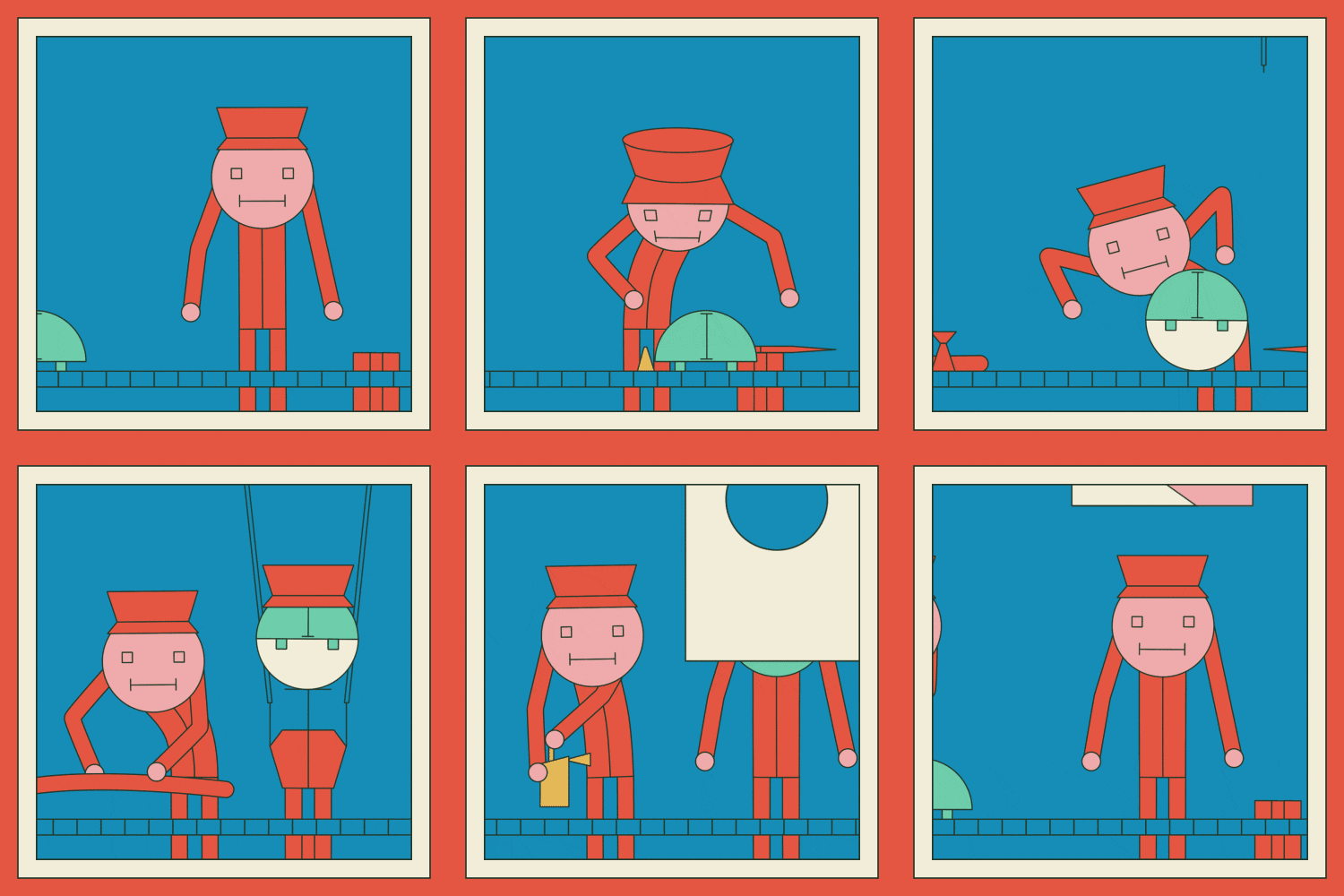
Wesco’s AI success came from one design choice: never force solutions onto teams. By letting employees shape what gets automated, the company built systems that support workers, boosting output not by faster hands, but by smarter help.
Most enterprise automation starts with an executive memo and dies in committee. Wesco Distribution went the other way. Over six years, its Intelligent Automation CoE has scaled hundreds of bots by asking employees one question: “What do you hate doing?” The result is a bottom-up AI program built on frontline insight, not top-down mandates, a model that turned 50,000 supplier headaches into a self-funding automation engine. Letting your staff lead the way is the golden blueprint for every operator.
Oracle is rebuilding NetSuite around AI, not just layering it on top. The next-generation ERP bakes machine intelligence directly into workflows, reporting, and decision-making. The system can draft purchase orders, summarize performance data, and trigger actions from natural-language prompts, all within the same interface. If your data lives in silos, you’ll never unlock the compounding value AI-driven orchestration promises.
Today, AI isn’t just reshaping how shoppers buy, it’s changing how products get seen in the first place. As consumers start their purchase journey with prompts, not clicks, discoverability now depends on how cleanly data moves through the supply chain. Adam Behrens, CEO of New Gen, argues that brands need distribution systems built for AI: structured catalogs, connected logistics data, and machine-readable product details. In the new retail ecosystem, the shelf space AI recognizes is the one your data earns.
McDonald’s is embedding predictive AI, powered by Google Cloud, into its global procurement and logistics network. The system forecasts demand, identifies supply risks, and automates sourcing decisions across 40,000 restaurants in 120 countries. Predictive AI is the new standard for supply continuity. Relying on manual forecasting is akin to flying blind.
Ingka Group, the largest Ikea retailer, has acquired U.S.-based Locus, an AI logistics platform specializing in route optimization and real-time delivery tracking. The deal reflects a broader retail shift as giants like Walmart, Amazon, and Lululemon ramp up AI adoption to streamline supply chains. For operators, this underscores how owning logistics intelligence is fast becoming a competitive necessity, not an option.
Plus One Robotics is proving what the hybrid model looks like in practice: robots doing 90% of the motion, humans handling the 10% that breaks the pattern. Their systems are in FedEx and DHL facilities today, starting around $155K per cell. The takeaway? AI-driven vision systems are mature enough for real throughput, not pilots. The next bottleneck isn’t tech. It’s how fast operators can integrate it into legacy sites.
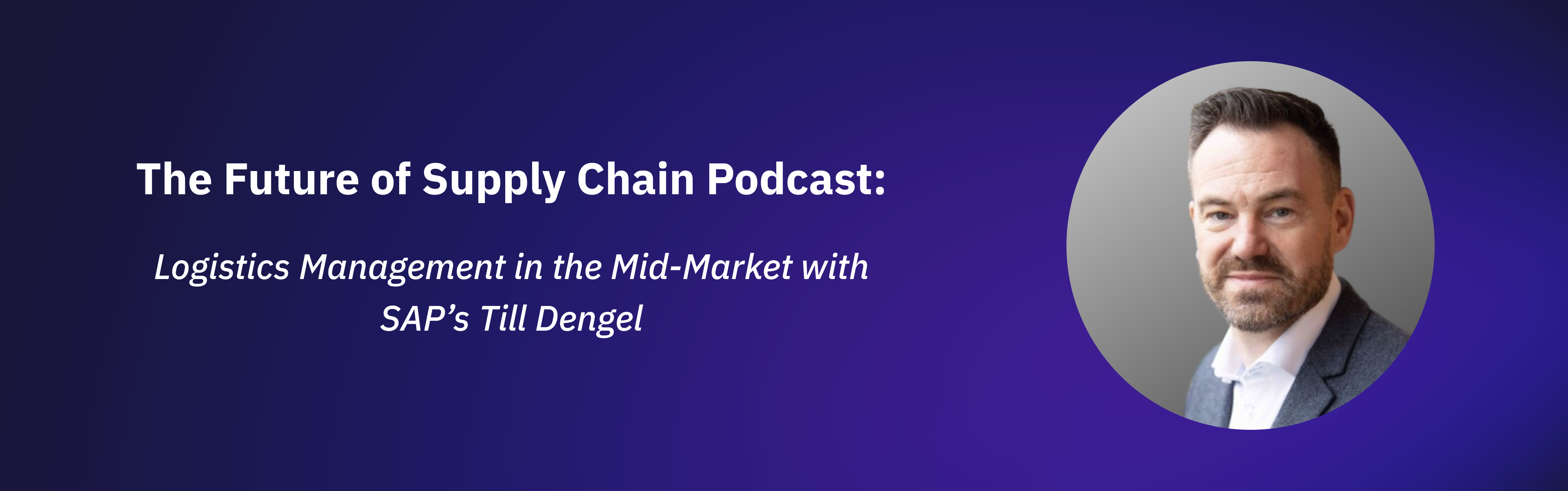
In this episode of The Future of Supply Chain podcast, Till Dengel calls AI the new orchestration layer, stitching together data and decisions across every tier of the supply chain. He argues that real transformation starts when companies digitize every tier of their network, from small local hubs to large DCs, and use AI to connect them. It’s not about faster delivery anymore; it’s about turning fragmented systems into responsive networks that can think, react, and self-correct in real time. Dengel’s bottom line: digitize everything, or stay reactive.
This week’s stories show what bold action looks like in practice. Wesco Distribution built its automation program from the bottom up, letting employees, not executives, decide what to automate. McDonald’s is using predictive AI to steer a 40,000-restaurant supply chain. IKEA’s Ingka Group just brought logistics AI in-house to own its intelligence layer. Oracle is rebuilding NetSuite around AI itself, embedding intelligence directly into workflows. And SAP’s Till Dengel calls AI the orchestration layer connecting warehouses, data, and people into one network. Together, they point to a shift from deploying tools to building connected intelligence across the enterprise.
The message is clear: when AI meets connected logistics execution, complexity turns into resilience, and networks become flexible, reliable, and built to prevent problems before they start.